For Russian scientists, the imposition of “foreign agent” status is tantamount to being banned from work
DMITRY DUBROVSKY


For Russian scientists, the imposition of “foreign agent” status is tantamount to being banned from work
DMITRY DUBROVSKY

“Academic patriotism” and “pure science” versus “academic citizenship.”
DMITRY DUBROVSKY

Two or three years ago, the pandemic dramatically mobilized the development of digital education in Russia. February 2022 sharply had everything backwards. What can one expect tomorrow?
ALEXANDER ESAVNIN

Russian scientific journals have only just learned to work according to international standards. We hope to preserve this experience under new circumstances.
At the author’s request, the name is not published

And now it is seeking to create another club, a proprietary science, with serious restrictions on rights and freedoms, inter alia academic ones.
DMITRY DUBROVSKY

Even if the situation in Russian science remains just as difficult, scientists’ ability to emigrate will be significantly restricted by external factors.
At the author’s request, the name is not published

University cannot help its community if it itself needs help. How to defend itself?
DARA MELNYK

The actual level of anti-war resistance in Russian universities is difficult to evaluate. This is our attempt to understand what trends exist.
Students against War

The government has suspended the indexing of Russian scientists’ publications in international databases.
IRINA BUSYGINA
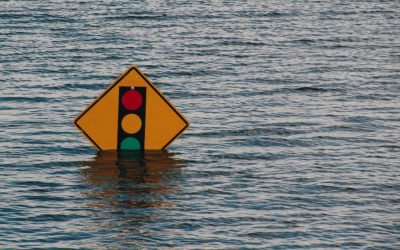
The logic of academic solidarity should lead to support, not punishment, for those who protest against the war.
DMITRY DUBROVSKY

Most countries have strongly urged the ending of international partnerships with Russian institutions, but some have called for personal academic ties to be preserved.
At the author’s request, the name is not published
The future of Russian science is as uncertain as the future of the country.
At the author’s request, the name is not published

Declared Positions | Anti-War Petitions| Persecution | International Projects
DMITRY DUBROVSKY

A new study shows that female and male scientists who have emigrated abroad collaborate differently with their Russian-speaking colleagues.
At the author’s request, the name is not published

A new study explains why teachers do not like to take part in the management of the university.
At the author’s request, the name is not published

As elsewhere in the world, Russian universities have begun to fight against abuse and harassment. To date, however, harassment is still winning.
DMITRY DUBROVSKY

Academic Rights and Autonomy in Russia in 2021: An End-of-Year Review
DMITRY DUBROVSKY

In many scientific fields, women prefer to work with women—and men with men. Why?
At the author’s request, the name is not published

Why Can Russian Students Not Expect to Have the Same Rights and Freedoms as Teachers?
DMITRY DUBROVSKY
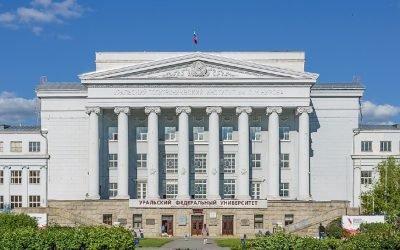
Most Russian universities have elaborated Codes of Ethics. Why?
At the author’s request, the name is not published

Homophobic speeches—and actions—are increasingly common in Russian universities and any objections are potentially dangerous.
DMITRY DUBROVSKY

The cost of demonstrating autarky in scientific development can be very high.
At the author’s request, the name is not published