How universities around the world are escaping authoritarian pressure and disaster.
Part 2.
SOFIA SMYSLOVA
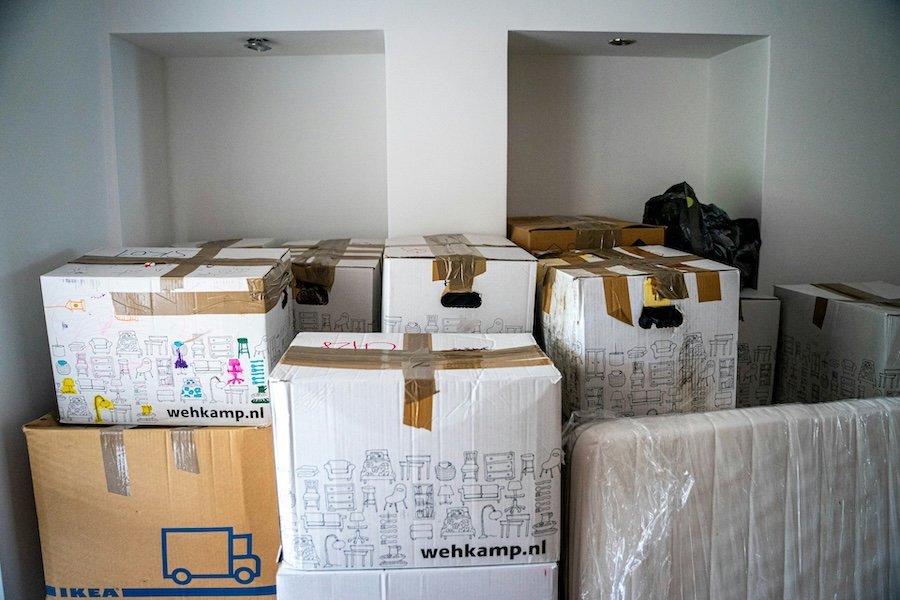

How universities around the world are escaping authoritarian pressure and disaster.
Part 2.
SOFIA SMYSLOVA
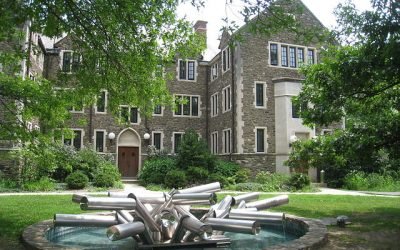
The last remaining joint Russian-American higher education venture has been abandoned.
DMITRY DUBROVSKY
How scientists are held responsible—and pay the price—for the actions of their governments.
DMITRY DUBROVSKY
How will the elimination of the most popular public research grant program affect Russian science?
At the author’s request, the name is not published

Russian science is increasingly characterized by an emphasis on “picking winners,” with special groups receiving preferential government support.
At the author’s request, the name is not published
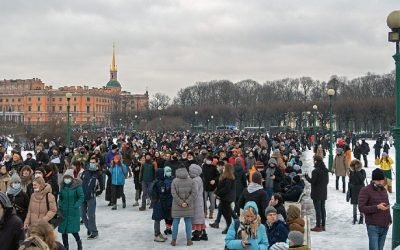
How the fight against the “threat” of student unrest at Russian universities is detrimental to academic rights and freedoms
DMITRY DUBROVSKY
How to tell a good scientist from a bad one? In the absence of basic trust in researchers, scientometric practices have been widely introduced in Russia.
At the author’s request, the name is not published

The new Basic Research Program has taken effect in Russia, where it will be active until 2030. Are its goals attainable?
DMITRY DUBROVSKY
Universities in Europe are preparing to sign a new Magna Charta Universitatum Europearum.
At the author’s request, the name is not published
Is there demand in Russian science for professionals with foreign experience?
At the author’s request, the name is not published

In February, the Russian State Duma will—on second reading—consider amendments to the Law on Education restricting educational activities and international contacts.
DMITRY DUBROVSKY
The policy of protectiveness is killing the goal of making the list of the ten countries with the best education systems.
Dmitry Dubrovsky, Daria Skibo
Researchers and professors at Russian universities are increasingly dependent on the state. Who represents their interests in this relationship?
At the author’s request, the name is not published

Academic Rights and Freedoms 2020: Wrapping Up Our Blog’s First Year
DMITRY DUBROVSKY
Is it possible to discuss academic freedom outside the context of the political regime?
At the author’s request, the name is not published
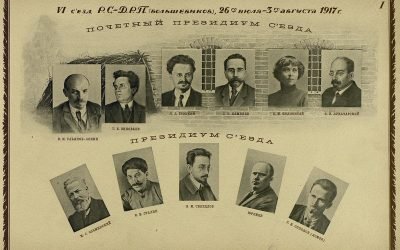
Instruments of memory politics increasingly resemble instruments of official ideological control over history.
DMITRY DUBROVSKY

What is the use of inquiries by the Ministry of Science and Higher Education to Russian public universities?
At the author’s request, the name is not published

The Attorney’s Office suggests that universities search for dissidents among their faculty and students. What’s behind inter-district prosecutor Prostakov’s letter to one of Russia’s major universities?
DMITRY DUBROVSKY

Under the impact of the pandemic, governments intend to increase the share of useful research. We are witnessing the formation of new reference points for science policy.
At the author’s request, the name is not published

With the passage of constitutional amendments in Russia, limitations on historical research have taken on a constitutional character.
IVAN KURILLA

A new Free University, organized by professors who resigned or were dismissed from the Higher School of Economics, is opening in Moscow.
DMITRY DUBROVSKY

A new study on rectors appointed over the past several years has been published.
At the author’s request, the name is not published